Research and institutions
The Jocelyn Bell Observatory in Toulouse opens observing time to scientific programmes, selected by its scientific committee. This page sets out what to know before submitting : what is asked for, who decides, and what is expected in return.
What the observatory is, and what it is not. It is a university observatory run by a student association, on an urban site. It suits programmes of regular monitoring, photometry and imaging on objects reachable from Toulouse. It does not replace a high-altitude site, and makes no such claim.
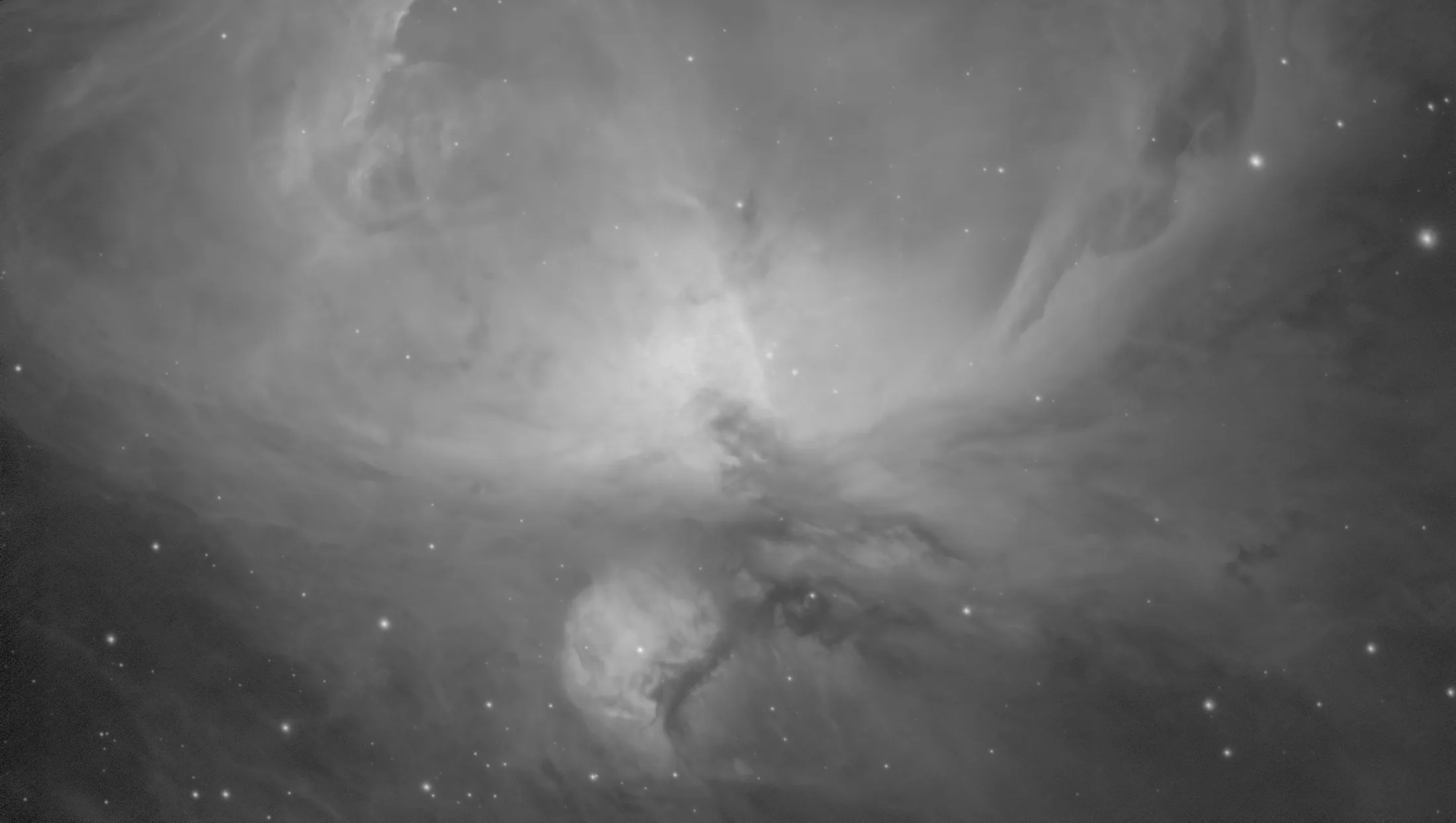
Credit: UPS in Space
What the committee looks at
Data, credits and identity
Ownership and release. The raw data acquired for a programme belong to the team that submitted it, with a proprietary period for the duration of the work. After that, the observatory reserves the right to add them to its public archive and to use them for teaching.
Credits. Any publication drawing on these observations names the Jocelyn Bell Observatory in Toulouse and the UPS in Space association, and includes the people who carried out the acquisition where they contributed scientifically.
Observatory code. The observatory does not yet have a code assigned by the Minor Planet Center. Astrometric measurements therefore cannot yet be submitted under its name. The code will be published here as soon as it is assigned.
Observing conditions. The sky over the site is measured continuously and published live on the Live page: cloud cover, humidity, seeing and the go/no-go decision. It is the best way to estimate the number of usable nights before submitting.
Calendar and terms. The dates of the call, the observing time on offer and how to submit are published on the portal. The observatory’s other services are gathered on the Access to tools page.
Submit a proposal
Submitting is a first contact, not a commitment of observing time. The science team assesses the proposal with the scientific committee, and the observatory’s management gives its decision within one month of submission at the latest.
That answer is final, not an acknowledgement of receipt: it means acceptance, refusal, or an offer of slots.
The call for observations opens on 1 January 2027. Until then, no proposal is submitted on this page: the call’s calendar and terms are published on the portal.